

What Is The Term That Is Often Used For The Acquisition Of Services?

The COVID-nineteen pandemic has introduced a dizzying corporeality of unfamiliar terms and phrases into our everyday lives. Though they can be disruptive, it'south of import to have an accurate understanding of their meanings, specially if we want our communities to navigate the pandemic safely. Below, we've rounded upward some of the most common COVID-19-related terms — from how the virus spreads in communities, to treatment and test options to how to help slow the spread. Without a doubt, familiarizing yourself with this list is the first pace to ensuring a safer tomorrow for yourself and others.
Virus- & Outbreak-Related Terms
- Coronavirus: There are many types of coronaviruses, all of which contain RNA and accept crown-shaped spikes on their surfaces. Different types of these viruses tin crusade mild illness like the common cold, or more severe respiratory infections.
- SARS-CoV-two or the "novel coronavirus": These are both terms for the coronavirus that has acquired the COVID-19 pandemic. Because this particular virus was novel to humans, there was no existing amnesty or power to fight off the virus' effects.
- COVID-19: the name of the illness that SARS-COV-two tin can crusade. COVID-nineteen is a shortened version of "coronavirus disease 2019."
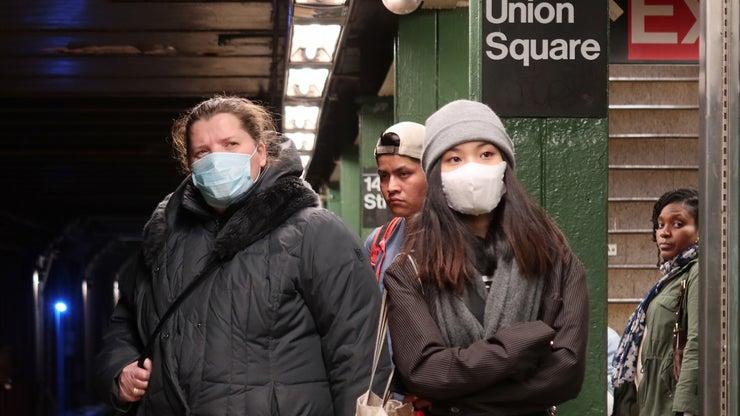
- Zoonotic: A description of a disease that is able to spread from animals to humans. According to the Center for Disease Command and Prevention (CDC), zoonotic diseases are relatively common — half-dozen out of 10 of all known diseases are zoonotic.
- Outbreak: A localized uptick in cases. Outbreaks are often traceable to specific events like concerts, or locations like day care centers or nursing homes.
- Epidemic: A larger than expected surge in the number of cases of a illness or illness in a item geographic region or surface area.
- Pandemic: An epidemic that has spread beyond geographical or national boundaries and has affected a large number of people on a global scale. COVID-19 was declared a pandemic on March eleven, 2020.
Transmission- & Spread-Related Terms
- Airborne Transmission: A illness or disease that tin can exist spread from person to person through the air. Airborne diseases tend to be more contagious than those requiring concrete contact.
- Aerosol: A tiny particle of respiratory fluid that contains viral textile and can remain in the air for a menses of time.
- Droplet: A small drop of fluid. Droplets containing a virus can exist expelled when an infected person talks, breathes, sneezes, or coughs.
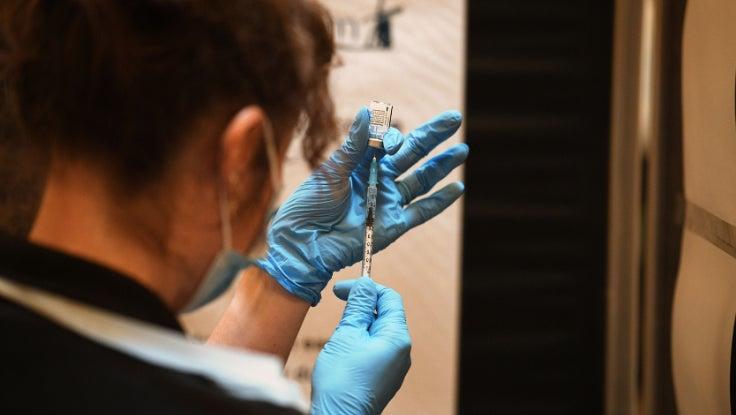
- R0/'R-naught': A number indicating the average number of people that will catch a disease or disease from one infected person. R0 is used as a measure out of how contagious a disease is. The R0 for COVID-19 manual in the United States varies by region.
- Customs Transmission: This refers to cases of infection that cannot be straight linked to known travel of an individual or a previously identified positive case.
- Asymptomatic: When one is displaying no symptoms or outward signs of having a disease throughout the class of infection. Evidence suggests that individuals who are asymptomatic can nevertheless transmit the virus to others.
- Presymptomatic/Incubation Menstruation: When ane is not yet displaying symptoms due to an early phase of infection. The virus tin all the same be spread during this fourth dimension period.
- Super-spreader: A person who transmits a disease or illness to an unusually high number of people.
Prevention- & Mitigation-Related Terms
- Social and Concrete Distancing: The practice of reducing shut person-to-person contact in a community in society to subtract the transmission charge per unit of a virus or disease. Social distancing measures include instructions to piece of work from abode, plexiglass barriers, or six-foot markers in public spaces.
- Contact Tracing: The process of public health officials identifying individuals who have been infected with or exposed to a viral illness in order to farther mitigate and manage the virus'southward spread within a customs.
- Flattening the Curve: The "curve" here refers to the shape on graphs like number of cases or hospitalizations. 'Flattening' these curves involves taking steps like sheltering in place, social distancing, and self quarantining in guild to prevent surges of patients that demand hospitalization and handling all at once.
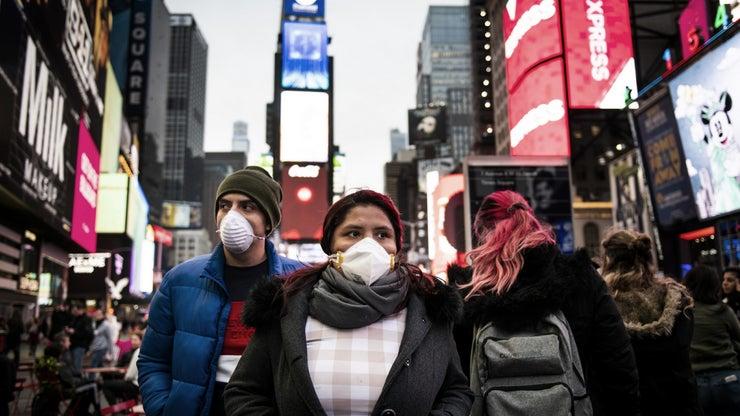
- Personal Protective Equipment (PPE): PPE refers to habiliment or materials that are especially made to act every bit a bulwark against exposure or infection. Examples of PPE include face shields, masks, goggles, gowns and gloves.
- N95: Also called a respirator, this special type of mask covers the nose and mouth and is manufactured to safely filter particles that can cause COVID-19 when fit-tested and used correctly. These masks are typically reserved for healthcare workers or those coming in close contact with active infection, and are not recommended for employ in public.
- Quarantine/Self-Quarantine: A quarantine is a menses of isolation post-obit exposure or potential exposure to a virus, in gild to preclude passing the virus to others. Individuals who accept been potentially exposed to COVID-xix are advised to quarantine for at least 10 days following the exposure.
- Isolation/Self-Isolation: When an individual has a confirmed or suspected example of an affliction or virus, they should isolate. Isolation differs from quarantine in that quarantine occurs following potential exposure to an illness, and isolation occurs subsequently an private has been infected.
- Vaccine: Vaccinations introduce a pocket-sized amount of inactivated or weakened virus so that the body can produce antibodies that work by recognizing the virus and preventing information technology from causing disease in the time to come. Vaccines are preventative measures that can increment immunity on a big scale.
Testing- & Treatment-Related Terms:
- Molecular or Viral Test: A exam used to determine if a person currently has an agile infection from SARS-CoV-ii. Viral tests work by analyzing a sample of saliva or mucus in order to determine whether the virus is nowadays.
- Antibody Test: A examination that detects whether a person has antibodies for a specific virus or illness. Antibodies are proteins created by the body's immune organization that gainsay a specific virus or illness. These tests are non used to pick up on agile infections.
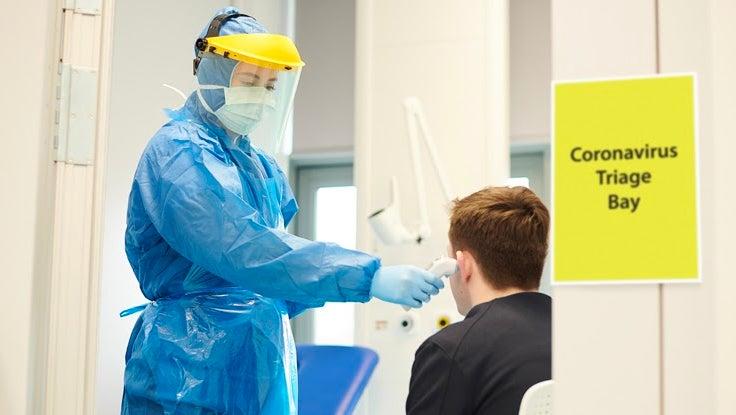
- Remdesivir (Veklury): An antiviral drug that has been approved past the FDA for treatment of COVID-19. Remdesivir works by preventing replication of RNA within viral particles so that the virus cannot multiply and spread inside the trunk as easily.
- Dexamethasone: A corticosteroid with anti inflammatory and immunosuppressive effects, often used to combat respiratory illness. Dexamethasone is recommended as a treatment for moderate to astringent COVID-19 to work against tissue impairment in the lungs.
- Ventilator: When a patient isn't able to breathe on their ain, a ventilator can be used in the hospital to help them breathe. A tube is inserted into the patient'southward windpipe through the oral fissure and a machine works to supply oxygen direct to the patient's lungs.
Resource Links:
- Coronavirus (COVID-nineteen) Outbreak Glossary via Kaiser Family Foundation (KFF)
- COVID-19 Glossary via Yale Medicine
- "Zoonotic Diseases" via Centers for Illness Control & Prevention (CDC)
- "Testing Overview" via Centers for Disease Command & Prevention (CDC)
- "Information for Clinicians on Investigational Therapeutics for Patients with COVID-19" via Centers for Affliction Control & Prevention (CDC)
- "Science Brief: SARS-CoV-2 and Potential Airborne Manual" via Centers for Affliction Control & Prevention (CDC)
- "Final study confirms Remdesivir benefits for COVID-nineteen" via National Institutes of Health (NIH)
- "Is Dexamethasone the COVID-xix Cure We've Been Looking For?" via Reference
- "What Is Contact Tracing, and Why Is It Important During the COVID-19 Pandemic?" via Enquire
- "COVID-nineteen Terms: The Difference Between Social Distancing, Physical Distancing & More" via Reference

What Is The Term That Is Often Used For The Acquisition Of Services?,
Source: https://www.symptomfind.com/healthy-living/covid19-terms?utm_content=params%3Ao%3D740013%26ad%3DdirN%26qo%3DserpIndex
Posted by: baxterfortits64.blogspot.com
0 Response to "What Is The Term That Is Often Used For The Acquisition Of Services?"
Post a Comment